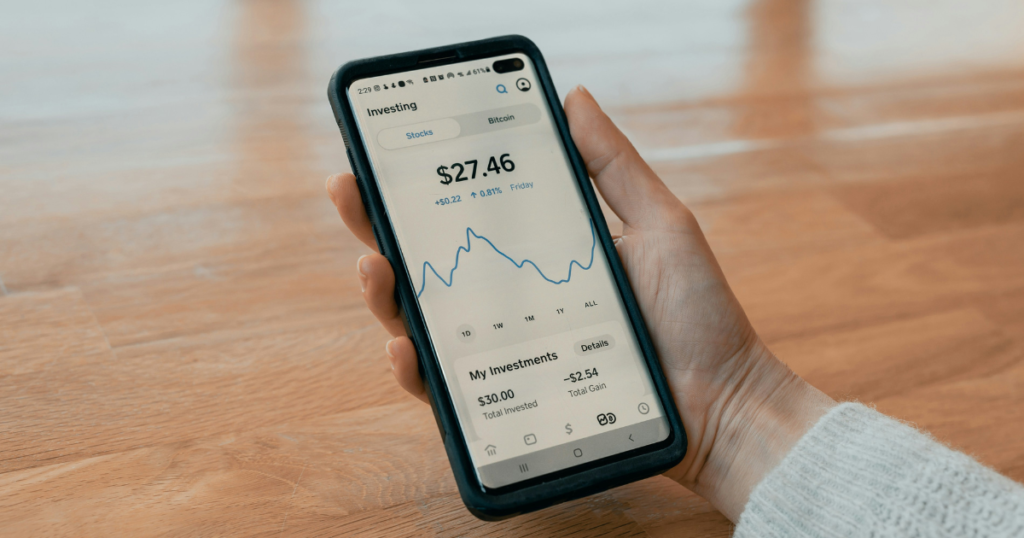

I still remember staring at my bank account during my sophomore year, watching it drop from $340 to $12 in about ten days.
Rent hadn’t even hit yet. That moment scared me straight into figuring out how to save money as a college student without giving up my entire social life.
This isn’t a list of vague tips pulled from a textbook.
It’s what actually worked for me, plus what I learned from talking to other students who were just as broke and just as determined to fix it.
If you’ve ever felt like you’re basically living paycheck to paycheck before you’ve even graduated, you’re not alone, and I’ve written about exactly that in my guide on how I stopped living paycheck to paycheck.
If you’re tired of feeling like your money disappears the second it lands in your account, keep reading.
Why Saving Money in College Actually Matters (Even If It’s Just $20)
I used to think saving $20 a week was pointless.
It felt like a joke compared to my tuition bill.
But here’s what changed my mind. College costs have climbed fast, with the average first year student now paying over $27,000 a year at public schools alone.
That number isn’t going down anytime soon.
Saving even small amounts now builds a habit you’ll lean on for the rest of your life. It’s less about the dollar amount and more about training yourself not to panic every time an unexpected cost shows up.
Start With a Simple Budget That Actually Works

Budgeting sounded boring to me until I realized it’s really just telling your money where to go instead of wondering where it went.
Once I started, I actually looked forward to checking my balance instead of avoiding my banking app.
The 50/30/20 rule is a solid starting point, even on a tight student income. It splits your money into three simple buckets: needs, wants, and savings.
The 50/30/20 Rule, Adjusted for College Life
| Category | Percentage | Example (on $800/month) | What It Covers |
|---|---|---|---|
| Needs | 50% | $400 | Rent, groceries, phone bill, transportation |
| Wants | 30% | $240 | Eating out, entertainment, subscriptions |
| Savings | 20% | $160 | Emergency fund, future goals |
You don’t need a fancy spreadsheet to make this work.
A free app like Mint or Rocket Money can track everything automatically, so you’re not doing math every night.
If your income is smaller or irregular, don’t stress about hitting these numbers exactly.
I’ve written a full breakdown of budgeting basics for younger students in my guide on budgeting for teens, which walks through building this habit from scratch.
How to Save Money as a College Student on Your Three Biggest Expenses
If you want to actually save money as a college student, these three costs are where the real damage happens.
Get these under control and everything else becomes easier.
Housing

Housing usually eats up more of your budget than anything except tuition. On campus dorms often run between $11,000 and $13,000 a year, and off campus isn’t automatically cheaper once you factor in utilities, commuting, and parking.
One option a lot of students overlook is becoming a Resident Assistant.
RAs often get free or heavily discounted room and board in exchange for helping run the dorm community. It’s extra responsibility, but the savings can be massive.
If you do live off campus, splitting rent and utilities with roommates is one of the simplest ways to cut this expense down fast.
Even one extra roommate can knock a few hundred dollars off your monthly bill.
Food and Groceries
Food is where most students quietly blow their budget without realizing it.
A $4 latte and a takeout dinner here and there adds up to hundreds of dollars a month fast.
If you have a meal plan, use it strategically.
Time your meals so you’re not paying out of pocket for delivery when your dining hall is already covered. If you’re cooking for yourself, stick to ingredients that stretch across multiple meals, like rice, eggs, and beans.
I built a week of dinners around a single bag of rice more times than I can count, and it never felt like a sacrifice.
Learning to save money on food as a college student doesn’t require becoming a chef.
It just means planning a few meals ahead instead of deciding what to eat when you’re already hungry and tempted to order in.
Textbooks
Textbooks can quietly drain $1,000 or more a year if you’re buying everything new.
Before you pay full price, check these options first:
- Rent from sites like Chegg or Amazon instead of buying
- Buy used copies through your campus bookstore or Facebook groups
- Check your campus library for reserve copies
- Look for digital versions, which are usually cheaper
Start looking as soon as you get your syllabus. The earlier you shop around, the better your options.

Stop the Small Leaks That Drain Your Wallet
It’s rarely the big purchases that wreck a budget.
It’s the small stuff you barely notice until you add it all up at the end of the month.
Subscriptions are a huge one. Between streaming services, music apps, and random app trials you forgot to cancel, it’s easy to be paying for six things you barely use.
Go through your bank statement once a month and cancel anything you haven’t touched in the last few weeks.
I go into this in more detail in my guide on saving money on subscriptions, which walks through exactly how to audit and cut these costs without losing the ones you actually enjoy.
Daily coffee runs are another quiet budget killer.
A $4 latte every day adds up to over $100 a month, which is real money you could be putting toward savings instead.
One trick that actually worked for me was trying a no spend day once or twice a week.
No coffee, no takeout, no random online orders. It sounds small, but it builds awareness of how much you’re spending on autopilot.
Use Your Student ID Like a Discount Card
If you’re serious about learning how to save money as a college student, your student ID is one of the most underused tools you have.
It’s not just for getting into buildings or the dining hall.
Plenty of local restaurants, movie theaters, and retailers offer student discounts that never get advertised outright.
All it usually takes is asking at checkout. I’ve saved anywhere from 10 to 20 percent just by flashing my ID and asking a simple question.
It’s not only local businesses either.
Big names like Spotify, Apple Music, and Amazon Prime all offer discounted student rates that can cut your monthly subscription costs significantly.
Public transit systems near many campuses also offer free or reduced fares for students, which adds up fast if you’re commuting regularly.
Beyond your ID, keep an eye on free events happening on campus.
Movie nights, cultural events, and club meetings often come with free food and entertainment. These are easy wins if you’re trying to save money as a college student without cutting out fun entirely.
Make Extra Money Without Killing Your GPA
Sometimes cutting expenses isn’t enough, and you need more money coming in.
The key is finding work that fits around classes instead of competing with them.
Campus jobs are a solid starting point.
Research assistant roles, tutoring, or working the library desk tend to offer flexible hours built around student schedules.
If you qualify, the Federal Work Study Program can also help you land a job specifically designed for students.
If you have a skill like writing, design, or social media, freelancing on the side can bring in decent money without a fixed schedule. I’ve seen students land small freelance gigs that paid better per hour than most campus jobs.
Now, about those wild numbers floating around online.
Making $1,000 a month as a college student is realistic if you’re working consistent part time hours or picking up freelance work.
Making $5,000 a day is not a real, repeatable strategy for a student and usually points to a scam or a highly misleading claim.
If you’re trying to save money as a college student, steady and boring income beats chasing unrealistic numbers every time. My guide on the best side hustles for teens breaks down options that actually fit a student schedule.
Pick the Right Bank Accounts for Your Savings
Where you keep your money matters almost as much as how much you’re saving.
Having everything sitting in one checking account makes it way too easy to accidentally spend your savings without noticing.
A simple fix is splitting your money into separate accounts.
Keep one for everyday spending, one for savings you don’t touch, and if you can, a small third account just for fun money.
This way you’re never guessing whether that $50 is meant for rent or a night out.
A high yield savings account is worth looking into once you have a bit saved up. It earns more interest than a regular savings account while still letting you access your money if you need it.
Many students don’t realize their bank already offers automatic transfers, where a set percentage of every paycheck moves into savings before you even see it.
Avoid the Debt Traps That Catch Most Students
Credit cards can be useful, but they’re also one of the fastest ways to undo everything you’re working toward.
If you’re not paying off your balance in full each month, interest charges can quietly pile up and eat away at any progress you’ve made.
Student loans work similarly.
Interest often starts accruing while you’re still in school, even if you’re not required to make payments yet. Paying even a small amount toward that interest early can save you real money later.
If you’re already feeling squeezed every month, you’re not alone.
My guide on saving money fast on a low income covers exactly how to stabilize things when it feels like you’re living paycheck to paycheck as a student.
Filling out the FAFSA every year is also worth the effort. It’s one of the simplest ways to unlock aid you might already qualify for, and it costs you nothing but time.
Frequently Asked Questions
What is the 50/30/20 rule for college students?
It’s a simple way to split your income: 50 percent toward needs like rent and groceries, 30 percent toward wants like entertainment, and 20 percent toward savings.
It’s a helpful starting point, but you can adjust the percentages if your income or expenses don’t fit neatly into those buckets.
Can you realistically save $10,000 in 3 months?
For most college students, this isn’t realistic unless you’re working full time hours at a high paying job or receiving a large one time payment like a refund or inheritance.
It’s a better goal to focus on consistent monthly savings rather than chasing a number like this.
How to make $1,000 a month as a college student?
This is achievable through a combination of part time work, freelancing, or a flexible side hustle, especially if you’re putting in 15 to 20 hours a week.
Consistency matters more than finding one perfect gig.
What is the $27.40 rule?
This isn’t a widely recognized or verified financial rule.
If you’ve seen it mentioned somewhere, it’s likely a made up or misinterpreted figure rather than an established money strategy, so it’s best not to build your budget around it.
Closing Thoughts
You don’t need to overhaul your entire life to start saving money in college.
Pick one or two of these strategies, get comfortable with them, and add more once they become habit.
I promise the version of you graduating with savings instead of regret will thank you for starting today.