
I remember standing in a dealership parking lot, staring at a car I clearly couldn’t afford, doing math in my head that just wasn’t working out.
That moment stuck with me.
It’s exactly why I sat down and figured out how to save money for a car the right way, without guessing or hoping things would work out.
This guide walks you through the real steps I used, from setting a savings target to actually building the fund.
If you’ve been searching for how to save money for a car without drowning in generic advice, this is the breakdown I wish someone had handed me.
We’re talking about saving up for the car itself, your down payment or full purchase price, not the costs that come after you drive it home.
Why I Almost Financed My Way Into a Bad Deal
I almost skipped saving altogether and just took whatever loan the dealer offered me.
I’m glad I didn’t.
Here’s the thing about cars.
They lose value fast, sometimes within the first year, while what you owe on the loan stays exactly the same. That gap is where people get stuck owing more than the car is worth.
Once I understood that, my whole approach to how to save money for a car changed.
A bigger down payment means a smaller loan, lower monthly payments, and less interest handed over to the bank. The CFPB has a breakdown of how down payments affect your loan if you want to see the exact math.
Step 1: Get Clear on What You’re Actually Saving For
Before you save a single dollar, you need a real number in mind, not a vague “as much as possible” goal.
I made this mistake early on and it left me saving without any sense of when I’d actually be done.
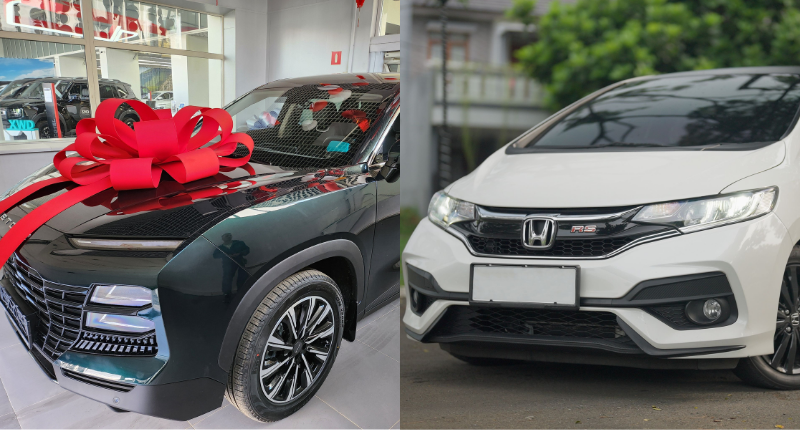
Start by deciding new or used.
A new car loses value fast the moment you drive off the lot, while a used model, especially one that’s two or three years old, gives you modern features without eating that first year of depreciation.
Look up realistic prices for the specific make and model you want instead of guessing.
Once you know the price range, you can work backward.
If you’re eyeing a used car around $20,000, that number becomes your anchor for everything else in this guide, from your down payment target to your monthly savings plan.
How to Save Money for a Car With a Down Payment Target
Once you know the price of the car you want, the next step in how to save money for a car is picking a real down payment number.
Most lenders suggest putting down 10 percent for a used car or 20 percent for a new one.
A bigger down payment shrinks your loan, lowers your monthly payment, and cuts down the interest you pay over time.
If you have a car to trade in, its value counts toward this number too, so it’s worth getting a trade in estimate before you finalize your target.
Here’s how the math breaks down for a few common price points:
| Car Price | 10% Down | 20% Down |
|---|---|---|
| $15,000 | $1,500 | $3,000 |
| $25,000 | $2,500 | $5,000 |
| $35,000 | $3,500 | $7,000 |
Pick the row closest to your target car, and you’ve got your savings goal. For a deeper look at how lenders view down payments, the CFPB’s auto loan guide is worth a quick read.
Step 2: Build a Budget That Doesn’t Feel Like Punishment
Budgeting sounds like the boring part, but it’s actually where how to save money for a car gets real.
I didn’t need a complicated spreadsheet, I needed a system I’d actually stick to.
I started with the 50/30/20 rule.
Half my income covers essentials like rent and bills, 30 percent goes to things I want, and 20 percent goes straight to savings.
That last chunk became my car fund.
Small cuts add up faster than you’d think.
Trimming what I spent on How to Save Money at the Grocery Store each week freed up more cash than I expected without feeling like I was depriving myself.
I also started reviewing my bank statement every Sunday, just ten minutes, to catch subscriptions I’d forgotten about.
Step 3: Automate It So Willpower Isn’t the Plan
Willpower runs out.
Systems don’t.
That’s why automating my savings mattered more than any budgeting app when I was figuring out how to save money for a car.
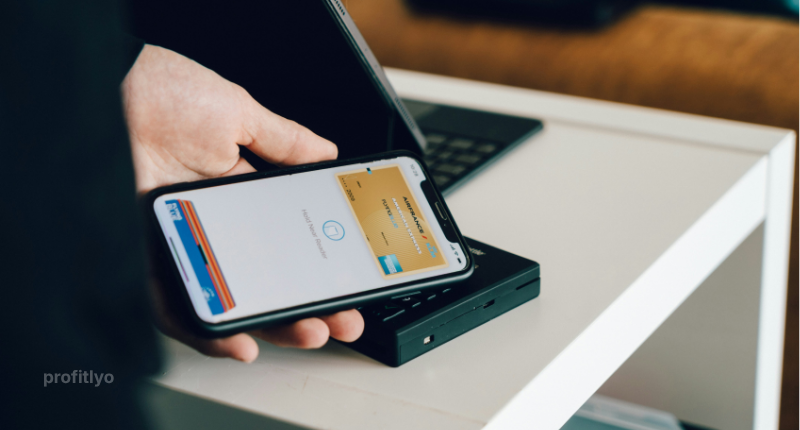
I opened a separate high yield savings account at a different bank than my checking account, and skipped the debit card on purpose.
If I couldn’t tap it easily, I couldn’t spend it on impulse.
Then I set up an automatic transfer for the day after each paycheck hit.
The money moved before I even saw it in my checking account, which made saving feel effortless instead of like a fight.
Step 4: Add a Side Hustle to Speed Things Up
Budgeting only gets you so far.
If you really want to know how to save money for a car fast, you need to bring in extra income, not just cut what’s going out.
I picked up freelance writing gigs on the side, just a few hours a week, and every single dollar from that went straight into my car fund, no exceptions.
That rule made a huge difference, because it’s easy to let side income quietly blend back into regular spending.
There are plenty of options depending on your schedule and skills.
Freelancing, tutoring, rideshare driving, selling things you no longer use, or even weekend gig work can all add up faster than you’d expect.
If you’re a student, 40+ Side Hustles for College Students That Actually Pay in 2026 is a solid place to start looking for ideas that fit around classes.
Even an extra $200 a month from a side hustle can shave months off your timeline, especially when it’s combined with the budgeting habits from the last section.
Step 5: Free Up Extra Cash Without Big Sacrifices
Beyond budgeting and side income, there are smaller moves that quietly speed up how to save money for a car without feeling like a sacrifice.
I went through my subscriptions and cancelled three I’d completely forgotten I was paying for, streaming services, an app I used once, and a gym membership I hadn’t visited in months.
That alone freed up almost $60 a month.
Windfalls help too.
A tax refund, a work bonus, or even cash gifts can get dropped straight into your car fund instead of disappearing into everyday spending.
I did this with a $1,200 refund one year and it knocked nearly three months off my timeline.
Cutting back on groceries is another place with real room to save, and What Are Smart Ways to Save Money on Groceries covers this in more depth if you want a deeper dive.
Around the holidays especially, costs sneak up fast, which is exactly what How to Save Money for Holidays is built to help with.
How to Save Money for a Car Fast: Realistic Timelines
Once you know your down payment target, the last piece of how to save money for a car fast is picking a timeline that actually fits your budget.
Say your goal is $4,750 for a used car down payment.
Spread that over 12 months and you’re setting aside about $396 a month.
Stretch it to 18 months and it drops closer to $264. Give yourself 24 months and it’s just under $200 a month.
| Timeline | Monthly Savings Needed |
|---|---|
| 12 months | $396 |
| 18 months | $264 |
| 24 months | $198 |
Pick whichever row doesn’t feel like a stretch.
A slower timeline you can actually stick to beats an aggressive one that falls apart by month three.
A Quick Note on Costs After You Buy
This guide is about saving up to buy the car.
Once you own it, insurance, gas, and maintenance become their own ongoing budget, worth planning for, but a separate topic entirely.
FAQ: Answering the Questions People Actually Ask
How can I save $5,000 quickly for a car?
Cut non essential spending, automate transfers into a dedicated account, and add a side hustle.
This combination is honestly the fastest way I’ve found for how to save money for a car when you’re under a tight deadline, often within six to twelve months depending on your income.
What’s a good down payment for a car?
Aim for 10 percent on a used car and 20 percent on a new one. Anything above that lowers your monthly payment even further.
How to save up for a car in 6 months?
Break your target into weekly chunks instead of monthly ones. It feels more manageable and keeps momentum going.
This is one of the fastest ways I know for how to save money for a car on a tight timeline.
Is it better to pay cash or finance if I have the money?
Paying cash avoids interest entirely, but a low rate loan paired with savings sitting in a high-yield account can sometimes work out similarly.
Either path works fine as long as you understand how to save money for a car without stretching your budget, since it depends on your rate and comfort with debt.
What’s the cheapest month to buy a car?
Late December is often best, since dealers are trying to hit yearly sales targets before the calendar resets.
Closing
Saving up for a car isn’t glamorous, but it works.
Every step here, from budgeting to automating your savings, is something I actually used myself, not just theory I read somewhere.
That’s really the whole story behind how to save money for a car: small consistent habits, not shortcuts.
If you’re ready to keep building better money habits, How to Save Money for a House is a natural next goal once your car fund is done. You’ve got this.




Pingback: How to Save on Bills: The Secret Most People Miss