
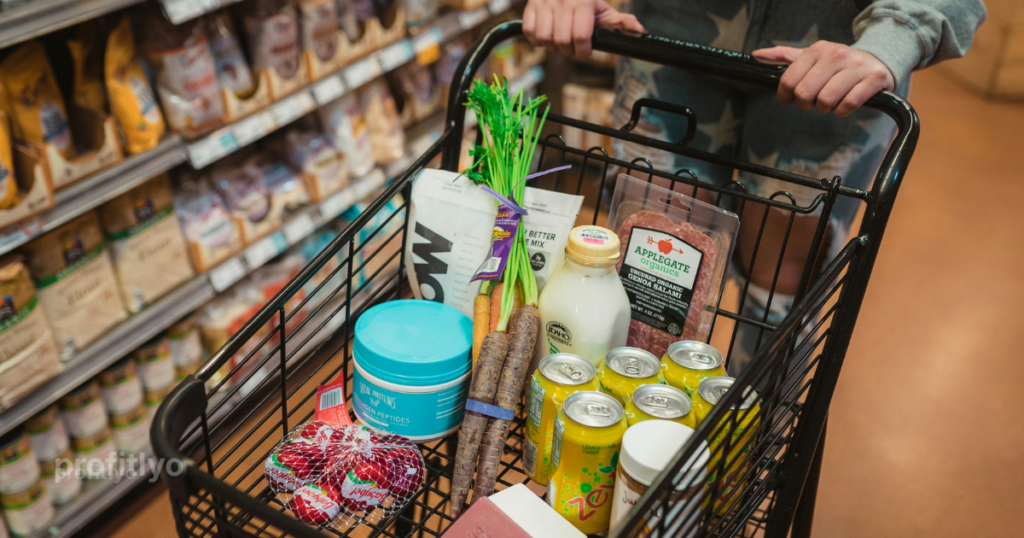
Last month I stood at the checkout counter watching my grocery total climb past $180 for a normal week of food.
My card got declined the first time I swiped it, and I had to step aside while the guy behind me tapped his foot.
That moment pushed me to figure out what are smart ways to save money on groceries, instead of just complaining about food spending every time I shop.
Some of what I found worked instantly, some took a few weeks to show results, and a few I still use on every trip.
This isn’t a list of generic tips copied from some finance blog.
Everything here is something I’ve actually tried, tweaked, or learned the hard way, and it will show you where the real savings are hiding.
Things to Know
Before we dive into the details, here’s the quick version if you’re short on time:
- Shop your pantry first. Check what you own before making your list to cut duplicate buys and waste.
- Time your trips around markdowns. Stores often discount meat, deli, and bakery items between 7 and 10 AM.
- Compare cost per serving, not just sale price. The deal isn’t always the deal once you break it down.
- Keep a price book so you instantly know a real bargain versus a fake sale.
- Freeze strategically. Bread, cheese, meat, and chopped vegetables last far longer in the freezer.
- Stay flexible with your list. Shopping what’s cheap that week beats a rigid meal plan.
Start Before You Even Make a List
Shop Your Pantry First
I used to walk into the store with a list built purely from recipes I wanted to cook, and that habit cost me more than I realized.
Now, before I write anything down, I open my fridge, freezer, and pantry and actually look.
Half the time I find a can of beans or a bag of frozen peas I forgot I had.
This one habit alone has cut my duplicate purchases by a lot.
It sounds too simple to matter, but checking your own shelves before you shop does more for your bill than any coupon, which is a direct answer to what are smart ways to save money on groceries.
Keep a “Do Not Buy” List
This one came from a Reddit thread that made me laugh because I related to it so hard. Someone kept accidentally buying butter for a year straight because they forgot they already had a freezer full of it.
I started my own version.
At the top of my grocery list I write “DO NOT BUY” followed by whatever I’m currently overstocked on, right now rice, canned tomatoes, and oregano, because apparently I panic buy oregano for no reason.
It stops the habit of grabbing something just because it feels like a staple you should always have on hand.
Try Reverse Meal Planning
Most advice tells you to plan meals first, then shop.
I flipped that completely.
Instead, I look at what’s already in my kitchen and what’s on sale that week, then build meals around those ingredients.
It’s a lot less rigid than following a strict weekly menu, and it means I’m rarely stuck buying an expensive ingredient just because a recipe called for it.
This same mindset shift helped me a lot when I wrote about how to stop living paycheck to paycheck. Once you stop shopping reactively, the savings show up in more places than just food.
What Are Smart Ways to Save Money on Groceries at the Store
Time Your Trip for Markdowns
This is the tip that surprised me most once I started paying attention.
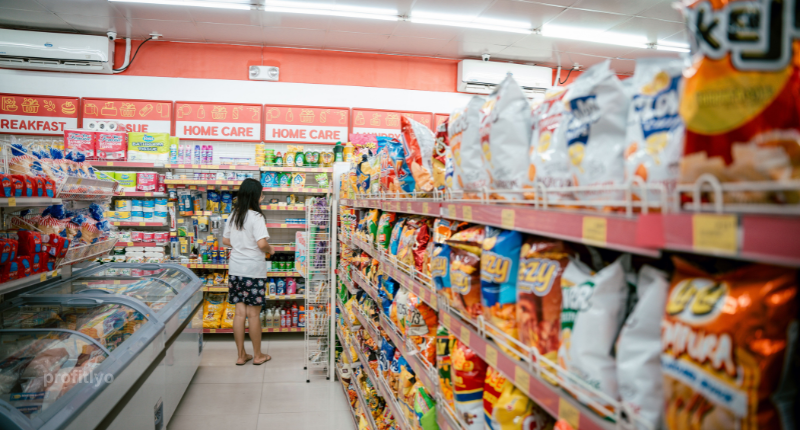
Grocery stores mark down meat, deli items, and bakery goods during specific windows, and most shoppers have no idea when.
I asked the butcher at my regular store directly, and he told me they mark down meat every morning between 7 and 10 AM before the lunch crowd hits.
Now I try to swing by during that window whenever I can.
I’ve walked out with a whole rotisserie chicken for two dollars and a tray of chicken thighs at half price just by showing up at the right time.
If you’re serious about learning what are smart ways to save money on groceries, this single habit can save you more in a month than clipping coupons ever will.
Compare Unit Price, Not Sticker Price
The bigger package isn’t always the better deal.
I used to assume the family size version of anything automatically saved money, until I started checking the small unit price tag on the shelf.
Sometimes a smaller container works out cheaper per ounce than the giant one next to it. Now I always glance at that tiny number before tossing anything in my cart.
Shop the Clearance and Deli Bins First
Before I even look at the main shelves, I head straight to the discounted produce bin and the deli markdown section.
Overripe bananas are perfect for banana bread, bruised apples work great in a crumble, and soft tomatoes practically beg to become sauce.
Thinking about end use instead of appearance turns damaged produce into some of the cheapest ingredients in the store.
Never Shop Hungry
This sounds obvious, but I ignored it for years.
Shopping hungry turns a simple grocery run into an impulse buying spree, and I end up with snacks and ingredients I never actually cook with.
Now I eat something small before I leave the house, even just a handful of crackers, and my cart total is noticeably lower every time.
Smarter Protein and Meat Strategies
Buy the Tough Cuts and Whole Cuts
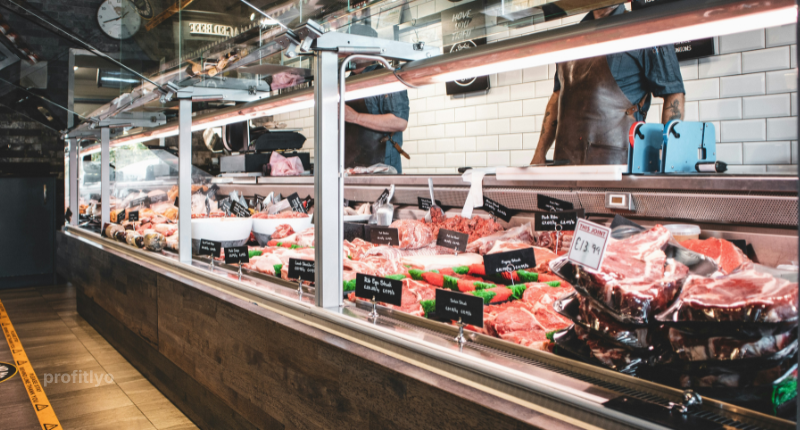
Boneless, skinless chicken breast costs way more per pound than drumsticks or thighs.
Chuck roast is a fraction of the price of top sirloin, and a whole chicken is almost always cheaper per pound than any of its individual parts.
I learned to butcher a whole chicken myself using a few online tutorials, and it takes less time than I expected.
Now I get four or five different cuts out of one bird, plus a carcass for broth, and nothing goes to waste.
Cost Per Serving Beats “On Sale”
I used to grab whatever protein had the biggest discount sticker without thinking further. Now I calculate cost per serving before deciding what goes in the cart.
Eggs, for example, are almost always one of the cheapest protein sources per gram compared to most cuts of red meat, even when the meat is marked down.
Doing this quick math changed which proteins I buy regularly, and it shows what are smart ways to save money on groceries actually look like once you get past the sticker price.
Stretch Pricey Proteins with Grains and Beans
Shrimp, crab, and better cuts of steak don’t have to disappear from your kitchen. I just stopped treating them as the star of the plate.
A half pound of shrimp tossed into a pasta with garlic, olive oil, and whatever vegetables I have on hand can easily feed four people.
Ground beef stretched with lentils in a chili does the same thing, and you still get that indulgent flavor, just spread across more servings.
Freezer and Bulk Buying Tactics
What’s Actually Worth Freezing
Not everything freezes well, but more works than most people realize.
Bread, shredded cheese, nuts, and even grated parmesan last for months in the freezer instead of going moldy in the fridge within weeks.
I keep a bag for vegetable scraps and chopped extras.
Half an onion, celery ends, herb stems, all of it goes into the bag until I have enough for a batch of homemade stock.
That single habit replaced store bought broth in my kitchen completely.
Meat freezes just as well. I’ve cooked with things that sat in my freezer for months, wrapped properly, and it tasted fine.
As long as it’s sealed well and dated, freezing does not hurt safety or flavor.
My freezer alone answers most of what are smart ways to save money on groceries questions I used to have, without changing what I actually eat.
Buying in Bulk Without the Waste
Bulk buying only saves money if you actually use what you bought before it goes bad. I learned this the expensive way after tossing out spoiled produce I bought in bulk with zero plan.
Now I only buy bulk on items I’ll use consistently, things like rice, pasta, dried beans, and frozen vegetables.
If I’m tempted by a bulk deal on something perishable, I split it with a friend so neither of us wastes half the container.
If you’re feeding a small household, this matters even more, since oversized bulk packs don’t always make sense for one or two people.
I covered a similar space saving approach in my guide on how to save money as a college student, since dorm and small apartment living comes with its own bulk buying limits.
Buying a quarter or half of an animal directly from a local farm is another option if you have the freezer space, and it often works out to a lower price per pound than a regular grocery store.
Reduce Food Waste to Cut Your Bill
Cook With Scraps and Peels
I used to toss vegetable peels, herb stems, and cheese rinds without a second thought.
Now I see them as free ingredients instead of trash.
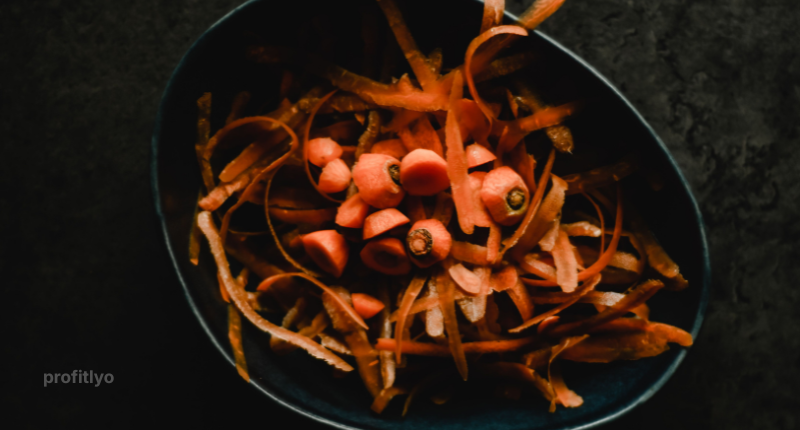
Parmesan rinds simmered into a soup add incredible depth, celery leaves and carrot peels become the base of a homemade stock, and stale bread turns into breadcrumbs or croutons instead of getting thrown out.
The “Cook Once, Eat Twice” Method
Every time I cook, I try to make a little extra on purpose.
Roast chicken becomes chicken salad, grilled pork chops turn into fried rice, and taco night beef becomes a nacho bake two days later.
This cuts down on waste and the temptation to order takeout on nights when I don’t feel like cooking from scratch.
Flexible Swaps Over Rigid Recipes
I stopped shopping for one specific recipe a long time ago.
Buying one ingredient for a single dish means the rest of that dish usually dies in the fridge before I get to make it again.
Now I pick four or five seasonal ingredients and cook them different ways across the week.
One cabbage becomes a soup one night, a stir fry another, and a slaw the night after that.
Beans are interchangeable in most recipes, and so are most grains.
Cutting waste this way rarely gets talked about, but when people ask me what are smart ways to save money on groceries, this is usually the first thing I mention, since every scrap you actually use is money you don’t have to spend twice.
Building Your Grocery Budget Long Term

Keep a Price Book
This is the single habit that changed how I shop more than anything else on this list.
A price book is just a simple record of what you normally pay for staples you buy often, things like a dozen eggs, a bag of rice, or a pound of ground beef.
Once you know your real baseline price, you can instantly tell when something is an actual deal versus a fake sale.
Stores love slapping a red sticker on something barely discounted, and without a price book you’d never know the difference.
I keep mine as a simple note on my phone.
It took maybe twenty minutes to set up and has saved me from falling for fake markdowns more times than I can count.
If you never picked up habits like this growing up, my guide on budgeting for teens breaks down the same foundational thinking.
Rewards Programs and Cashback Apps
I ignored store loyalty programs for years, assuming signing up wasn’t worth the hassle.
That was a mistake.
Most send digital coupons and personalized deals straight to your account, and stacking that with a cashback app adds up faster than expected.
I’ve covered rewards points toward entire free grocery trips just by using cards and apps I was already eligible for.
If you’re trying to figure out what are smart ways to save money on groceries while also building better financial habits overall, this is a good place to start.
I touched on some of that bigger picture thinking in my guide on how to save money for a house, since grocery savings and long term savings feed into each other.
Side Income Ideas If Your Grocery Budget Still Feels Tight
Sometimes cutting costs at the store only gets you so far, especially if your income and your grocery bill are both stretched thin.
It’s worth looking at the other side of the equation too.
A side hustle, even a small one, can take the pressure off your food budget without cutting corners on nutrition.
I put together a list for younger earners in my guide on the best side hustles for teens to make money, and many ideas work for anyone looking for extra cash on a flexible schedule.
Even an extra fifty or a hundred dollars a month can mean the difference between stressing over the checkout total and shopping with breathing room.
Frequently Asked Questions
What is the 5-4-3-2-1 grocery rule?
This is a simple framework some budget shoppers use to build a balanced cart: 5 servings of vegetables, 4 of fruit, 3 protein sources, 2 whole grains, and 1 treat item per trip.
It’s not an official rule, more a popular guideline in frugal shopping circles, but it’s still useful since it prioritizes the cheapest calories first.
Can you live on $200 a month for food?
It depends on household size and location, but for a single person it’s realistic with the right habits: rice, beans, frozen vegetables, and eggs, plus minimal waste and almost no dining out.
Feeding a family of four on that budget is far harder. Habits like shopping your pantry first and calculating cost per serving make it more workable.
What is the 3 3 3 rule for groceries?
This is another budgeting framework: three meals built around three main ingredients, repeated across three days to reduce decision fatigue.
Simplifying your meal rotation this way naturally simplifies your shopping list too, meaning less waste and a more predictable bill, and it pairs well with the reverse meal planning approach covered earlier.
Closing
Saving money on groceries isn’t about one big trick, it’s about stacking small, boring habits until they add up.
Shop your pantry first, time your trips around markdowns, and stop fearing the ugly produce bin.
If you’re still looking for what are smart ways to save money on groceries months from now, come back to this list.
The habits that felt small at first usually save the most over time.