
My bills used to control me.
Every month I opened my banking app and just winced at the total before paying it and moving on.
That was basically my whole system, or the lack of one. I knew there had to be a smarter way to handle this.
So I got serious about learning how to save on bills that actually moved the needle, not just the tips everyone already repeats.
I tried plenty of things that flopped along the way.
But I also found a handful of changes that worked and stuck.
This guide covers everything I’ve learned about how to save on bills, broken down by category so you can use whatever actually fits your life.
Why I Stopped Guessing and Got Serious About How to Save on Bills
For years my approach to bills was just hoping for the best.
I’d glance at the total, feel a little sick, and pay it anyway.
The generic advice never actually worked for me.
Turning off a few lights and unplugging a toaster wasn’t going to fix a $180 electric bill or a $140 phone plan.
So I started treating my bills like a project instead of a monthly surprise. I tracked every recurring charge for three months and asked myself if it was actually worth it.
Some of it was obvious once I saw it written down.
Other savings took a few phone calls and a bit of patience.
None of this is complicated.
It just takes some intention, which is honestly the real difference between paying whatever shows up and actually knowing how to save on bills that move your budget in the right direction.
How to Save on Bills on Utilities: Electricity, Gas, and Water
Utilities are usually the first place people look, and for good reason.
Small changes here compound fast because you’re paying these bills every single month without fail.
Electricity
The biggest hidden cost in my house wasn’t anything I was actively using.
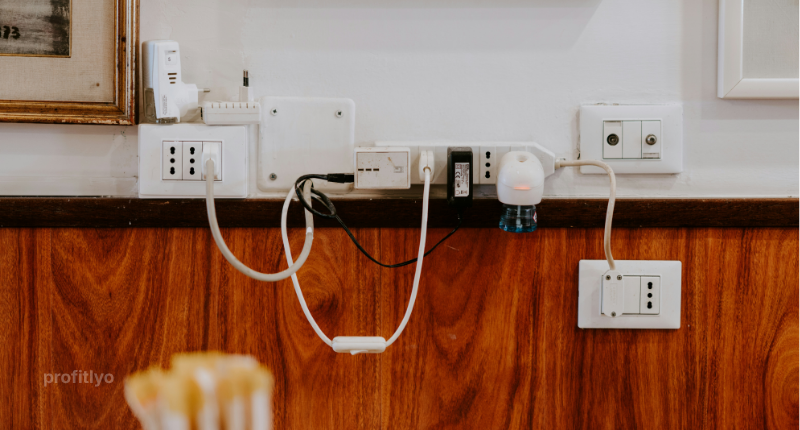
It was “vampire” devices, things like my cable box, phone chargers, and old gaming console, sitting plugged in and quietly drawing power around the clock.
Once I put the worst offenders on a single power strip I could switch off at night, my usage dropped in a way I actually noticed on the bill.
If you’re looking to save on your electric bill without spending money on anything new, this is the first place to check.
Shifting laundry and dishwasher loads to off-peak hours also helped, since a lot of providers charge more during the afternoon and early evening.
It’s a small habit, but it adds up over a full billing cycle.
Gas
My water heater was set to 140 degrees, which is hotter than most households actually need.
I ended up going with the Department of Energy’s recommended setting of 120 degrees, and it didn’t change my showers at all, it’s an easy way to save on a gas bill without any real sacrifice.
Washing clothes in cold water instead of hot made a bigger difference than I expected too.
Most detergents today are built for cooler water anyway, so nothing about my laundry actually suffered.
Water
Water bills are easy to overlook because the charges feel small compared to electricity or gas.
But shorter showers, fixing a leaky faucet, and installing a cheap faucet aerator, all steps covered in the Department of Energy’s guide to cutting hot water use, can genuinely help you save on a water bill over time.
None of these utility changes required buying anything expensive or overhauling my whole home.
They just needed me to actually pay attention to where the money was going, which is really the whole point of figuring out how to save on bills instead of just accepting them.
How to Save on Bills for Phone, Internet, and Cable

Phone and internet bills are where a lot of people quietly overpay for years without ever checking if there’s a better deal available.
I called my provider’s retention department instead of the regular customer service line, and just asked what they could offer to keep me as a customer.
Retention teams usually have more room to negotiate than the front line reps do, since their whole job is to stop you from canceling.
Mentioning a competitor’s price is usually enough to get the conversation moving.
I wasn’t even bluffing, I’d actually looked up what other providers in my area were charging first.
Switching to an MVNO, a smaller carrier that runs on the same network as the big providers, cut my phone bill by more than half.
The coverage was identical since it’s the same towers, just without the premium brand name attached to the price.
Buying my own modem instead of renting one from my internet provider also paid for itself within a few months.
Renting fees quietly add up to more than the equipment actually costs.
If you’re bundling phone and internet, double check that the bundle is actually cheaper than paying for each separately.
Sometimes bundles include extras you don’t need, which can cancel out the savings entirely.
This category ended up being one of the simplest ways to figure out how to save on bills without giving anything up.
A few phone calls and some comparison shopping were really all it took.
Insurance Tips That Quietly Lower Your Bills
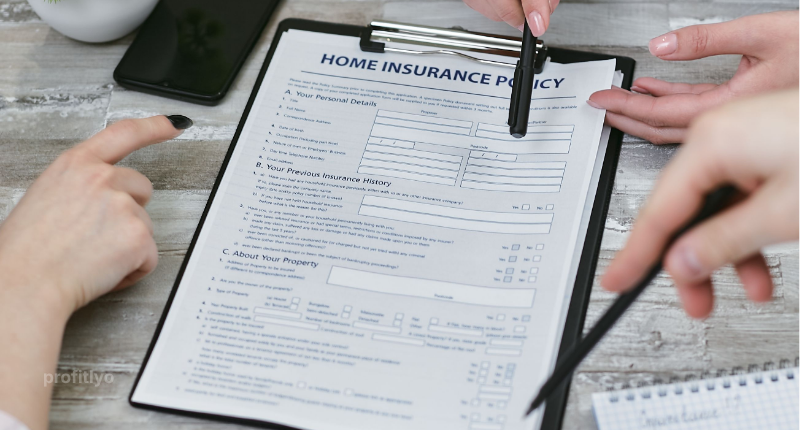
Insurance is one of those bills people set and forget for years, which usually means they’re overpaying without realizing it.
I started shopping my policies around every single year instead of just renewing automatically. Rates tend to creep up quietly, and insurers rarely reward loyalty the way you’d expect them to.
Working with an insurance broker instead of a single agent made this a lot easier.
A broker isn’t tied to one company, so they can compare quotes across several insurers and just bring back the best options.
Raising my deductible on my auto policy also lowered my monthly premium noticeably.
It does mean more out of pocket if something happens, so this only makes sense if you actually have savings set aside to cover that gap.
Bundling my home and auto insurance with the same company knocked a solid chunk off both premiums.
How to Save Money for a Car Fast: 5 Steps I Actually Used goes deeper into how I handled my car costs alongside this, if that’s an area you’re also trying to tighten up.
Insurance is honestly one of the most overlooked ways to figure out how to save on bills, simply because most people never think to question a renewal notice.
None of this required switching insurers dramatically or taking on more risk than I was comfortable with.
Cutting Subscription and Entertainment Costs Without Feeling Deprived
Subscriptions are sneaky because each one feels small on its own, but they add up fast once you actually total them.
I went through my bank statement and listed every recurring charge, streaming, gym, apps, everything.
A few of them I hadn’t actually used in months.
Instead of canceling everything at once, I started rotating streaming services.
I’d keep one active, binge what I wanted to watch, then cancel it and switch to a different one the next month.
Family plans also made a real difference for music streaming, since splitting the cost across a few people brings the per-person price down significantly.
That said, I didn’t cut everything just because I technically could.
Cutting every small joy out of your budget tends to backfire, so I kept a little room for things that genuinely mattered to me instead of treating every dollar as a problem to eliminate.
Subscriptions are proof that how to save on bills isn’t just about utilities and insurance, it’s about anything recurring that quietly drains your account.
Whatever you save here doesn’t have to just sit in a checking account either. How to Save Money for Holidays: My Real, No Fluff Guide is a good next step if you want to redirect these savings toward something you’re actually looking forward to.
Your Grocery Bill Deserves the Same Attention as Your Utility Bills
Your grocery bill is one of your biggest recurring monthly expenses, so it deserves the same scrutiny as your electricity or phone bill, even though it doesn’t arrive as a fixed statement.
Batch cooking on the weekend cut my food waste dramatically, since I always had something ready instead of ordering out when I didn’t feel like cooking.
Switching to store brands for pantry staples saved money too, without any real difference in quality.
I also started doing “use what’s in the house” nights once or twice a week, which forced me to actually eat what I’d already bought instead of letting it go bad.
What Are Smart Ways to Save Money on Groceries and How to Save Money at the Grocery Store both go into more specific tactics if this is a category you want to dig into further.
Small Daily Habits That Add Up Big Over Time
Big one time changes get all the attention, but the small daily habits are what actually held my savings steady month after month.
Washing clothes in cold water, running the dishwasher only when full, and unplugging chargers I wasn’t using became automatic after a few weeks.
None of these felt like sacrifices once they turned into habits instead of chores I had to remember.
Here’s a rough breakdown of what some of these small habits can realistically save over a month, based on my own bills and what others have reported:
| Daily Habit | Estimated Monthly Savings Range |
|---|---|
| Washing clothes in cold water | $3 to $8 |
| Unplugging unused chargers and electronics | $2 to $10 |
| Running dishwasher only when full | $2 to $6 |
| Air drying clothes instead of using the dryer | $8 to $15 |
| Shorter showers | $3 to $9 |
These numbers won’t transform your finances overnight, but they add up quietly in the background without requiring willpower every single day.
That’s really the pattern behind how to save on bills long term, small habits that don’t need constant attention, stacked on top of the bigger structural changes covered earlier.
Redirecting What You Save Toward Bigger Goals
Once I stopped losing money to bills I wasn’t paying attention to, the real question became what to do with what I was saving.
I started moving those savings straight into a separate account instead of letting it blend back into regular spending.
That one change made the biggest difference, since money that stays in your main account has a way of quietly disappearing.
For me, this became the bridge between short term bill savings and longer term goals like a car or a house down payment.
Figuring out how to save on bills only matters if you actually redirect that money somewhere intentional instead of letting it get absorbed into everyday spending.
How to Save Money for a House walks through exactly how I did this for a down payment, if that’s a goal you’re working toward too.
At the end of the day, learning how to save on bills isn’t really about any single trick.
It’s about building a system where the savings actually go somewhere, instead of just making the monthly total a little less painful and calling it done.
That’s the real difference between temporarily cutting costs and actually knowing how to save on bills in a way that sticks.
FAQ: How to Save on Bills
How do I make my bills cheaper?
Start by tracking every recurring charge for a month, then cancel or renegotiate anything you’re not using fully. The fastest way to figure out how to save on bills is combining small habits, like cold water washing, with bigger moves, like negotiating your internet rate or raising an insurance deductible.
What runs up my electric bill the most?
Heating and cooling typically account for more than half of a home’s electric bill, followed by water heating and older appliances left running constantly. Devices left plugged in even when off, sometimes called vampire electronics, also add a surprising amount to your monthly total.
Does leaving a TV plugged in use electricity?
Yes, most TVs still draw a small amount of power even when turned off, especially if they’re in standby mode for smart features. It’s not a huge amount on its own, but combined with other plugged in devices, it adds up over a full month.
What is the cheapest time of day to use electricity?
Many providers charge less during off-peak hours, usually overnight or early morning, since demand on the grid is lower. Running your dishwasher or laundry during these off-peak windows is one of the simplest ways to learn how to save on bills tied to time-of-use electricity plans.




Pingback: How to Save Money on Power Bill: Proven Tips That Actually Work